Sell Your House Fast For Cash In New York
Sell your house fast in New York City for cash with a private written offer, a closing date you choose, and no showings, repairs or commissions.
Prefer to talk first? Ring 401-219-4207 and ask for a figure on your address.
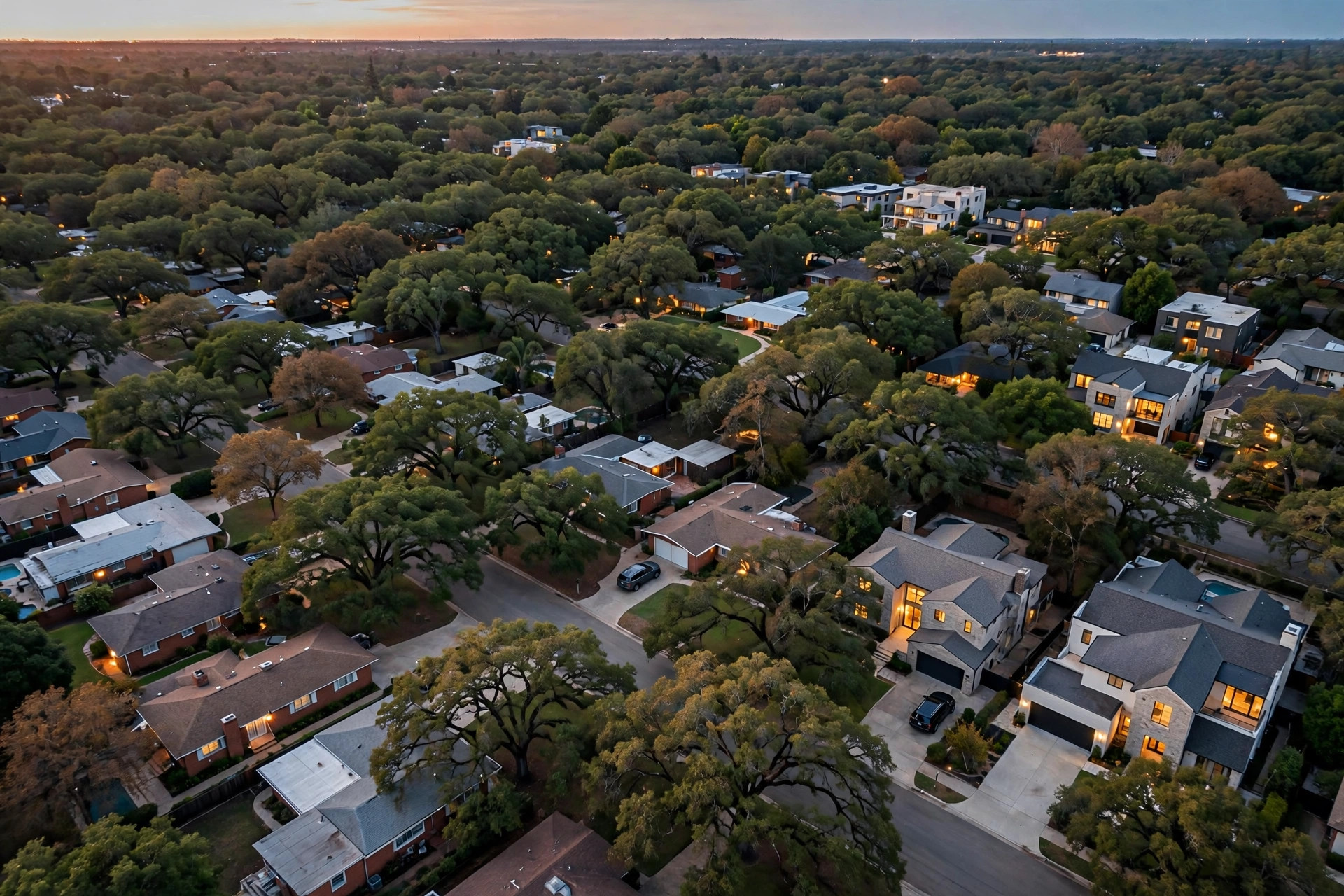
# Sell Your House Fast For Cash In New York
In New York, Frontier Capitals sources houses quietly to builders, so an owner in any borough can sell the property exactly as it stands, without listing it publicly or preparing it for strangers to tour. Ring 401-219-4207 and describe the house as it really is, because that first call is free, binds you to nothing, and leads to a written number grounded in what builders have paid nearby. The firm works for sellers as a wholesaler, which means it never builds anything itself and never acts as your brokerage.
What a private offer looks like
Two cards cover what selling this way actually involves, and what the arrangement can leave in your hands.
Sell without preparing the house for strangers
 Bought in its present condition
One figure, agreed before the clock starts
A direct sale to Frontier Capitals takes the commission line and the seller closing costs off your side entirely, and it removes the cleaning, staging and repair spending that a public launch tends to demand.
Worked from the March 2026 New York median, at a 5.5 percent commission. The full cost breakdown sits further down this page.
What sellers say about the process
Three homeowners, in their own words, on selling without a listing.

I needed to sell my house quickly and didn’t want to deal with repairs or listing it. The entire process was straightforward, and the team kept me updated throughout. We closed on the date we agreed on. Highly recommend!

I spoke with a few companies before deciding to work with them. They gave me a fair offer, explained everything clearly, and never pressured me. The whole experience was much easier than I expected.

My property needed quite a bit of work, and I didn’t want to spend money fixing it up. They bought it as-is and handled the process professionally. No surprises, no unnecessary delays. I would definitely work with them again.
How it works in New York
Three stages sit between a first conversation and money in hand. The route starts on the contact page or with a call to 401-219-4207.
Start with the facts of the house
One conversation covers the borough, the block, the condition you honestly see, any occupants on a lease, and the date by which you want the proceeds settled.
Our team weighs closed sales on surrounding streets, prices builders accepted for older houses on similar sized lots, and the finished values those streets support after construction budgets are deducted
A written offer arrives with its reasoning set out in plain language
You may close inside three weeks, pick a later date that suits a move, or decline and keep the analysis for another day.
Start on the contact page
Ask for a private figure
Tell the team the address and the date you are working toward, and the reply carries a written figure with the local evidence underneath it, together with the completion terms set out in plain language.
Contact us for a figureTalk it through first
Plenty of sellers ring before they have decided anything at all. The conversation costs nothing and carries no obligation, and it covers what a builder would likely pay for the lot and what the listed route would leave behind.
Contact the teamSelling to Frontier Capitals:
- One confidential conversation with the firm itself, replacing a listing launch and a parade of broker open houses
- Completion in 7 to 21 days when speed matters, or on a slower calendar when your next home is not ready
- The property changes hands in its current state, with no repair list, no staging bill and no weekend showings
- Cash funding behind the offer, so no mortgage approval sits between a signed contract and the closing table
- Nothing deducted for commissions, and no seller closing costs under the terms the firm puts in writing
- Complete discretion, with no board in the ground, no portal photographs and no neighbours touring your rooms
- Flexibility after signing, including a short holdover where a move genuinely needs one
- A net figure you can plan around from the outset, because price and deductions are agreed before time starts running
A traditional listing:
Listing the conventional way in this city takes stamina. Houzeo, in its March 2026 city reading, recorded an 870,000 dollar median price, 79 average days on market and 6.1 months of supply, with homes closing at 98.1 percent of asking (Houzeo, 2026). That same reading counted 2,393 sales against 14,628 homes on offer, and only 12.9 percent of sellers clearing their asking price (Houzeo, 2026). New York then layers its own friction on top, since the seller ordinarily funds the combined state and city transfer taxes and must deliver a detailed statutory disclosure before a contract can bind anyone.
Request a private offerSelling another New York home, or just over the state line?
Within New York State the programme also covers Yonkers, Buffalo and Rochester, with Albany on a sister host. Across the state line, Connecticut begins with Bridgeport, Pennsylvania with Philadelphia, and Massachusetts with Boston.
See every city guideThe detail behind a New York sale
Steps to selling a house in New York, New York
- Put your deadline next to the market clock before choosing a route. A typical city listing spent 79 days looking for its buyer in March 2026, and attorney review plus lender time still had to run after that wait ended (Houzeo, 2026).
- Anchor the asking figure to recorded closings on your own block type, because a Brooklyn brownstone and a Staten Island detached house obey entirely different pricing gravity.
- Finish the state disclosure statement before any buyer signs. Since March 2024 the form is compulsory for covered one to four family sales, and the old 500 dollar credit escape hatch has gone (Daniels and OConnell PC, 2026).
- Close through attorneys and record the deed with the City Register or the Richmond County Clerk. Your lawyer holds the deposit in escrow, the transfer taxes are settled at the table, and recording completes the change of ownership.
Documents you need to sell a house in New York
The centre of the packet is the 56 question Property Condition Disclosure Statement required by Real Property Law section 462, answered from your own knowledge about structure, systems, water, sewer and flood history (LawServer, 2026). Bring your existing deed, the current mortgage payoff letter, and any co operative or condominium board papers where your property type calls for them. The closing lawyers assemble the title search, the transfer tax forms TP-584 and RP-5217, and an estate sale adds the Surrogate Court letters that empower a fiduciary to sign a fiduciary deed.
Cost to sell a house in New York, New York
Commission dominates a listed New York sale. Using a stated assumption of 5 to 6 percent against the 870,000 dollar median from March 2026, brokerage fees consume 43,500 to 52,200 dollars before anything else is counted (Houzeo, 2026). Transfer taxes then fall mainly on the seller here: the state takes 0.4 percent and the city takes 1.425 percent above 500,000 dollars on a one to three family home, a combined 15,878 dollars at that median price (LegalClarity, 2026). Add both lawyers at the table, prorated city property taxes and final water charges, and a realistic listed total commonly lands between 50,000 and 62,000 dollars before a single repair is funded.
Net proceeds = sale price minus mortgage payoff minus closing costs minus commissions minus repairs and concessions
Imagine a New York house agreeing at the 870,000 dollar median while 500,000 dollars remain on the mortgage. On a listed route at 5.5 percent commission, the deductions run to 47,850 dollars of commission, 15,878 dollars of combined transfer tax and a 2,500 dollar allowance for your attorney, which leaves estimated net proceeds of 303,772 dollars before any tax on a gain. Raise or lower the loan balance and the result shifts by exactly that amount.
Current market conditions in New York
Median home price 870,000 dollars, up 0.05 percent on a year earlier | Days on market 79 | Months of supply 6.1 | Sale to list ratio 98.1 percent | Homes sold 2,393 | Inventory 14,628 homes
Readings drawn from Houzeo, March 2026.
| Measure | Reading | Source |
|---|---|---|
| Median home price | 870,000 dollars, up 0.05 percent on a year earlier | Houzeo, March 2026 |
| Days on market | 79 | Houzeo, March 2026 |
| Months of supply | 6.1 | Houzeo, March 2026 |
| Sale to list ratio | 98.1 percent | Houzeo, March 2026 |
| Homes sold | 2,393 | Houzeo, March 2026 |
| Inventory | 14,628 homes | Houzeo, March 2026 |
| Market label | Buyer market | Houzeo, March 2026 |
Houzeo published the March 2026 city set used above, and its shape is unmistakable: high prices, slow turnover and buyers holding the stronger hand at 6.1 months of supply (Houzeo, 2026). Census QuickFacts paints the longer backdrop, placing the median value of owner occupied homes at 777,600 dollars across the 2020 to 2024 survey window and median gross rent at 1,821 dollars (U.S. Census Bureau, 2024). Roughly two thirds of occupied homes in the city are rented rather than owned, which is why so many sale files here arrive with a tenant already in residence (ValuePenguin, 2026).
Economic drivers in New York
Ownership here wears unusual shapes. Co operative apartments dominate large parts of Manhattan, Brooklyn and Queens, and co op transfers sit outside the state disclosure Act altogether (LegalClarity, 2026). This programme concerns itself mainly with the one to four family stock: brownstones, brick rowhouses, frame houses in eastern Queens and the Bronx, and detached Staten Island streets.
Age runs through every file. Whole districts predate the First World War, so lead paint, ageing boilers and old electrical panels surface again and again in negotiations, and pricing them openly beats discovering them through an inspection report mid contract.
What this means for sellers in New York
New York counted 8,478,072 residents in the July 1, 2024 Census estimate, which keeps it the largest incorporated place in the United States by a very wide margin (U.S. Census Bureau, 2024). The city is also the state capital of American commerce in everything except government, gathering finance, publishing, fashion, technology, medicine and higher education into one labour market. For a house seller, that depth means builder demand exists in every borough, although the product a builder wants changes completely from a Bronx frame house to a Queens semi detached home.
The boroughs do not move as one market. Manhattan co operative resales answer to board packages, Brooklyn rowhouses to lot width and rental income, and Staten Island detached houses behave like a suburb. No verified ZIP level price series was assembled here, so this page quotes no ZIP prices at all.
Frequently asked questions
How long does a house sale usually take in New York?
Which closing costs fall on a New York seller?
Is an attorney effectively required to sell in New York?
What must I disclose when selling a house in New York?
Can I sell a New York house without using an agent?
How does Frontier Capitals compare with listing, and with a We Buy Houses buyer?
Can I sell my New York house in its present condition?
Can I sell a house with flood or storm damage in New York?
Can I sell if I am behind on payments or in foreclosure in New York?
Can I sell a house I inherited in New York?
What about lead paint in older New York homes?
Can I sell a New York rental house with tenants in place?
Sources
- U.S. Census Bureau, 2024. Vintage 2024 Subcounty Population Estimates, sub-est2024. Government data.
- U.S. Census Bureau, 2024. QuickFacts: Los Angeles city, California and New York city, New York. Government data.
- Houzeo, 2026. New York, NY Housing Market Overview, March 2026 reading. Market data.
- Houzeo, 2026. How to Sell a House By Owner in New York. Industry report.
- US Legal Forms, 2026. New York Home Sale Forms and Legal Points. Research institute.
- iBuyer, 2026. Selling a House As Is in New York. Industry report.
- Daniels and OConnell PC, 2026. Important Changes to New York Property Condition Disclosure Law. Press.
- LegalClarity, 2026. New York Conveyance Law: Deeds, Taxes and Recording. Research institute.
- LawServer, 2026. New York Real Property Law 462, Property Condition Disclosure Statement. Official record.
- ValuePenguin, 2026. New York City Renters Statistics and Trends. Market data.